What do I need to make a podcast?
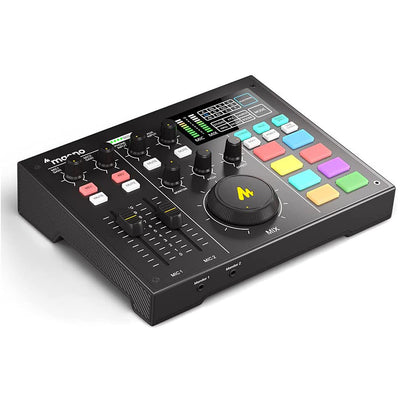
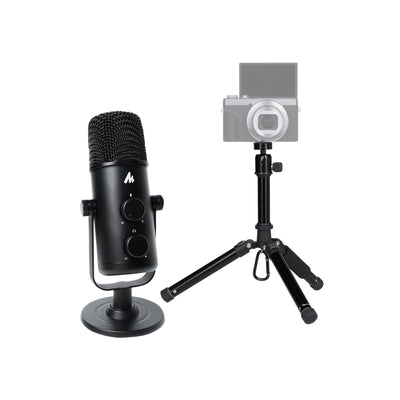
At the heart of any podcast setup are two key pieces of equipment: the microphone and the audio console.
Microphones come in two main flavours. Dynamic microphones are rugged, reject background noise well, and are forgiving in untreated rooms. Condenser microphones capture a richer, more detailed sound but are more sensitive to ambient noise, making them better suited to acoustically treated spaces. Microphones connect via USB for plug-and-play simplicity, or XLR for a more professional-grade signal chain.
Audio Consoles and Interfaces sit between your microphone and your computer. A basic audio interface converts your XLR signal into digital audio your computer can record. A mixer or podcast console goes further, letting you manage multiple microphones, control levels, and process audio in real time — ideal for multi-host or interview-style shows.
For solo beginners, a USB microphone and free recording software is plenty. As your show grows, an XLR mic paired with a dedicated console gives you much greater control over your sound.